Building Effective Nail Salon Marketing Systems
Nail salon marketing systems are structured frameworks designed to automate customer retention, track client history, and manage communication workflows. These systems use internal data to trigger appointment reminders, loyalty rewards, and follow-up sequences. By organizing client information systematically, salon owners ensure consistent service delivery and increase the frequency of repeat visits.
The Core Components of a Salon CRM System
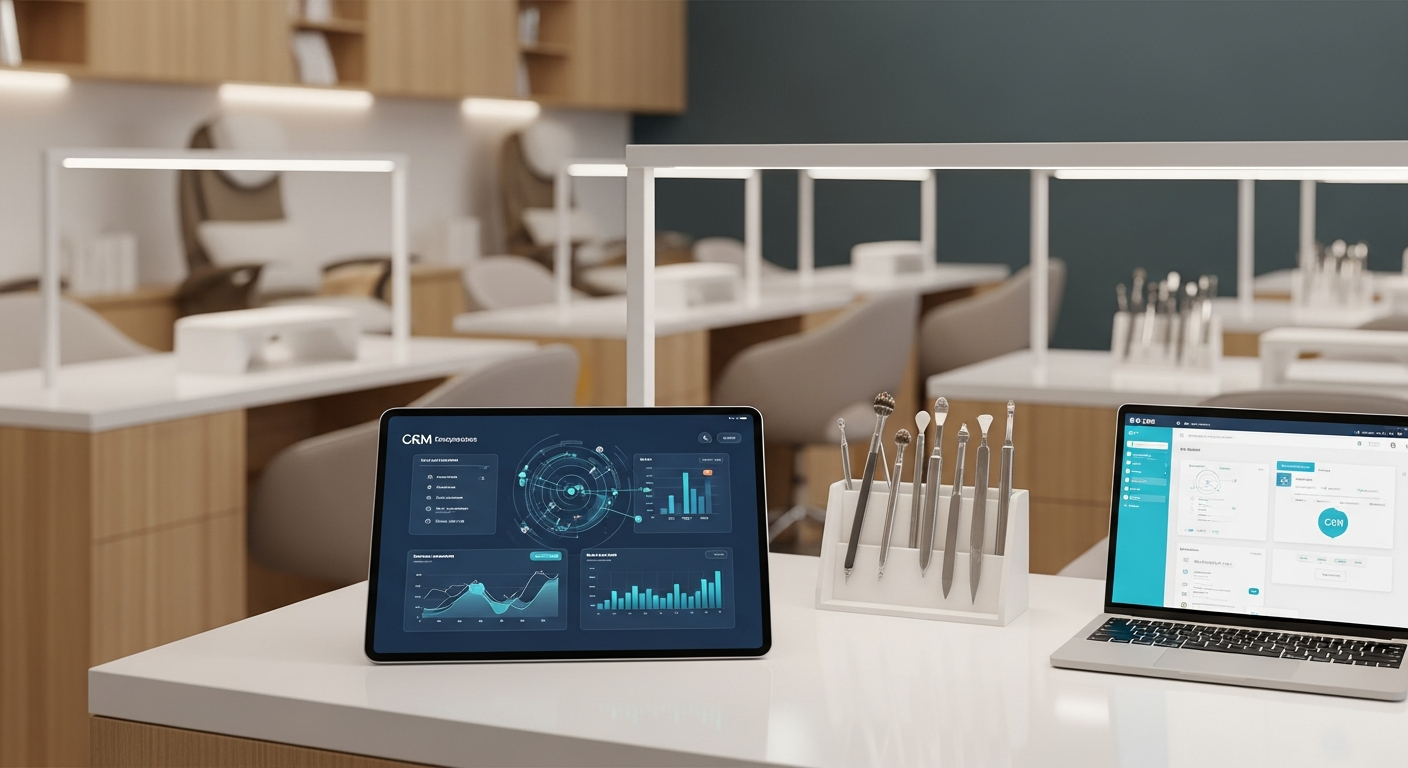
A Customer Relationship Management (CRM) system serves as the central database for every client interaction.
It allows owners to move beyond simple appointment booking by capturing detailed service preferences and purchase history.
This data forms the foundation for all targeted marketing efforts and personalized service delivery.
Client Data Collection and Management
Effective systems require a standardized process for gathering client contact information during the initial visit.
Recording phone numbers, email addresses, and service preferences allows for the creation of unique client profiles.
This organization enables the salon to segment its audience based on specific service interests or visit patterns.
Visit Frequency and Spending History
Tracking how often a client visits and their average spend is essential for identifying high-value customers.
Systems should automatically flag clients who have not returned within their typical four-week maintenance cycle.
This data-driven approach allows management to address retention issues before the client is permanently lost.
Structured Follow-Up and SMS Logic
Communication systems ensure that the salon remains top-of-mind without requiring manual effort from staff.
By establishing logical triggers based on time or behavior, the salon can maintain a consistent professional presence.
These workflows should be designed to support the client journey from the first appointment to long-term loyalty.
Post-Service Feedback Loops
A vital part of any marketing system is the immediate follow-up after a technician completes a service.
Sending a structured request for feedback within 24 hours helps identify service quality issues early.
This system demonstrates a commitment to excellence and provides an opportunity to resolve complaints privately.
Re-engagement Protocols for Lapsed Clients
Marketing systems must include a “win-back” logic for clients who have missed their regular appointment window.
Automated outreach should occur at specific intervals, such as 30, 60, or 90 days post-visit.
These messages should focus on inviting the client back to the salon rather than generic advertisements.
Designing Sustainable Loyalty Program Workflows
A loyalty program should be a systematic part of the salon’s operations rather than an occasional promotion.
The workflow must be simple for staff to execute and easy for clients to understand.
Effective systems reward the behavior the salon wants to encourage, such as frequent visits or high-margin services.
Reward Tiers and Retention Incentives
Structuring rewards based on visit count or total spend encourages clients to remain loyal to one location.
Systems that track points automatically prevent errors and ensure that rewards are redeemed according to salon policy.
This transparency builds trust and reinforces the value of the relationship for the client.
Organizing Marketing Workflows for Consistency
Operational success depends on having a documented schedule for all marketing activities.
A marketing system defines who is responsible for data entry, how messages are approved, and when campaigns are launched.
Standardizing these workflows ensures that marketing remains active even during the salon’s busiest seasons.
Standard Operating Procedures for Client Data
Staff must be trained on precise data entry protocols to maintain the integrity of the marketing system.
Consistency in recording service notes and contact updates ensures that future communications are accurate and relevant.
A clean database is the primary requirement for any successful long-term retention strategy.