Implementing Effective Nail Salon Marketing Systems
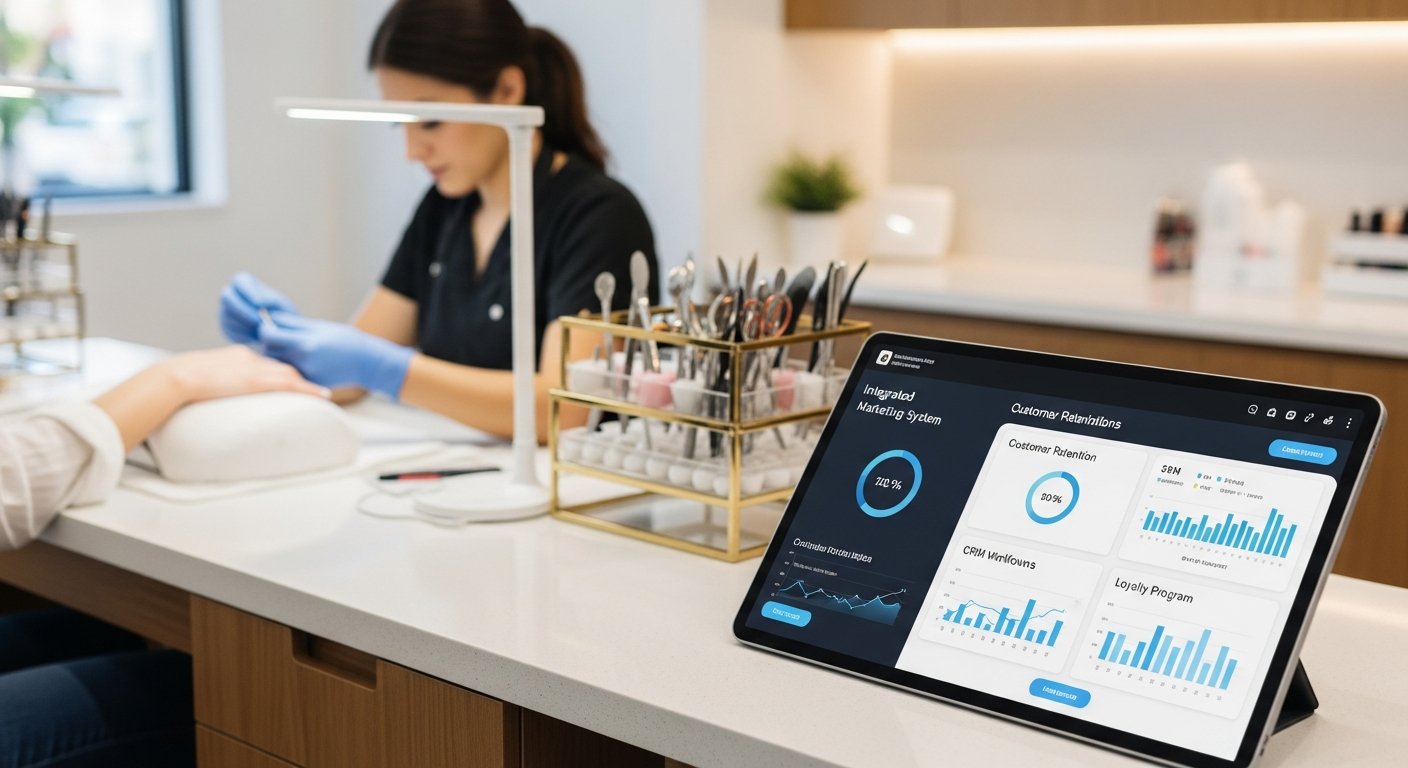
Nail salon marketing systems are structured operational frameworks designed to automate customer communication and track client behavior within a salon business. These systems utilize database management to trigger specific follow-up actions, manage loyalty rewards, and organize marketing workflows, ensuring consistent client retention without manual intervention from salon staff or management.
The Role of CRM in Salon Operations
A Customer Relationship Management (CRM) system serves as the central hub for all client data. It tracks visit frequency, service preferences, and spending habits to build comprehensive profiles.
Effective systems categorize clients based on their lifecycle stage. This allows owners to distinguish between first-time visitors, regular patrons, and clients who are at risk of churning.
By maintaining clean data, salons can ensure that every communication is relevant. This organization prevents generic messaging and focuses on the specific needs of different client segments.
Retention-Focused Follow-up Logic
Follow-up logic is the engine of a retention system. It dictates when and why a client receives a communication after they leave the salon chair.
Immediate Post-Service Protocols
The first step in a retention workflow is the thank-you message. This should be triggered within 24 hours of the appointment to confirm satisfaction and request feedback.
Standardized protocols include a secondary check-in after seven days. This ensures the service quality meets expectations and reinforces the salon’s commitment to professional care.
Re-engagement Sequences for Inactive Clients
Systems must automatically identify clients who have not booked an appointment within their typical visit cycle. A 21-day or 30-day “win-back” trigger is a common industry standard.
The goal of this logic is to remind the client of the salon’s value. It uses historical booking data to offer a personalized reason for the client to return.
Structuring Loyalty Program Fundamentals
A robust loyalty system incentivizes repeat behavior through structured rewards. It must be easy for clients to understand and for staff to execute.
Point-based systems are the most effective for nail salons. Clients earn points for every dollar spent on services and retail products, encouraging higher average ticket prices.
Tiered loyalty structures reward the most frequent visitors with exclusive benefits. This creates a sense of belonging and increases the “switching cost” for the customer.
Organizing Marketing Workflows for Scalability
Workflows are the step-by-step processes that ensure marketing tasks are completed consistently. They remove the guesswork from daily salon operations.
A well-organized workflow includes a content calendar for SMS and email broadcasts. This ensures that promotions for holidays or new services are planned and scheduled in advance.
Systematizing these tasks allows salon owners to focus on service quality while the marketing engine runs in the background. Consistency is the key to long-term growth.
Measuring System Performance
Successful nail salon marketing systems require regular auditing of key metrics. Retention rate and re-booking rate are the primary indicators of system health.
Monitoring the “time between visits” helps owners adjust their follow-up frequency. If the average gap increases, the communication triggers should be tightened to bring clients back sooner.
Refining these systems ensures the salon remains competitive. A structured approach to marketing transforms a reactive business into a proactive, growth-oriented enterprise.