Nail Salon Marketing Systems for High Retention
Nail salon marketing systems are structured operational frameworks designed to manage client data, track visit frequency, and trigger consistent follow-up communications. These systems organize customer relationship management (CRM) workflows through scheduled SMS or email reminders and loyalty incentives. By implementing these logical sequences, salon owners ensure predictable repeat appointments and improved long-term business stability.
The Foundation of a Salon CRM System
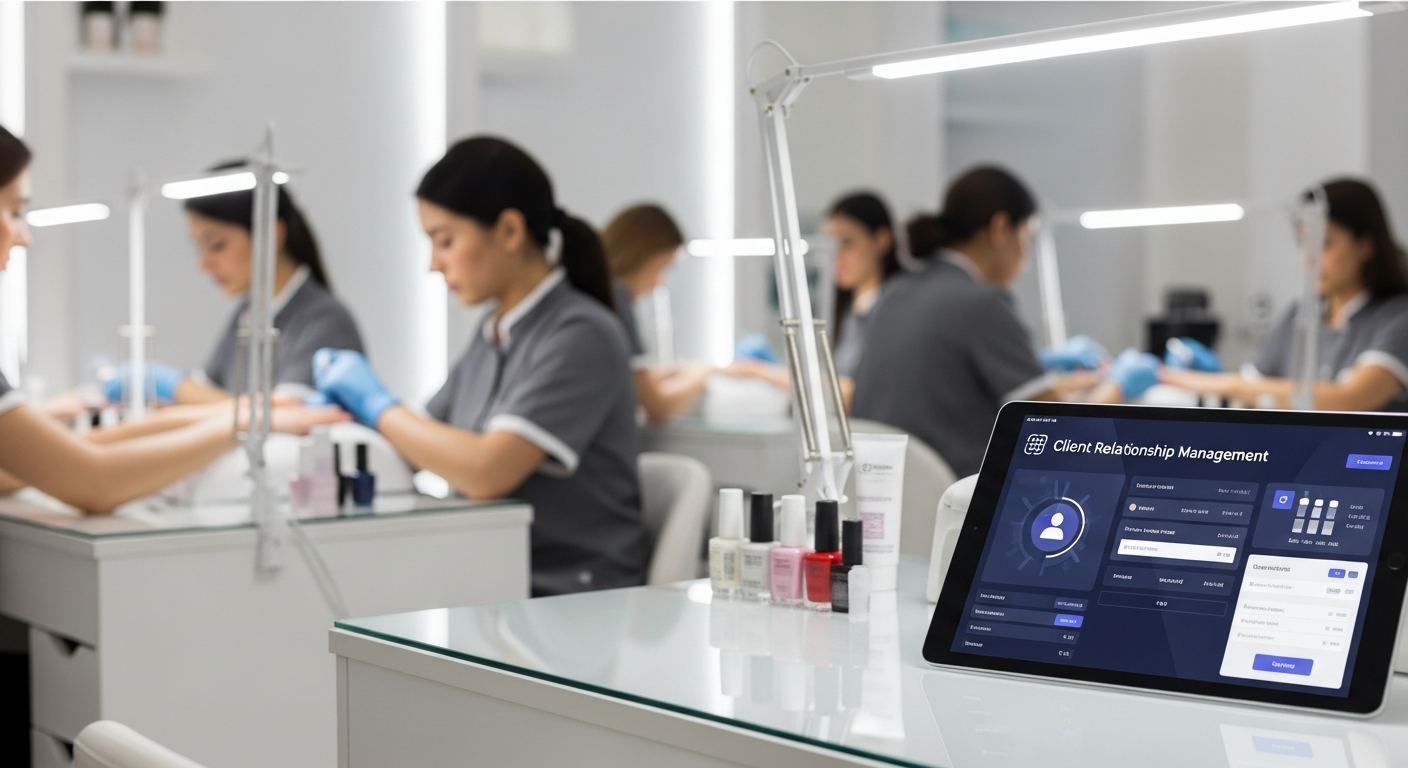
A functional CRM system serves as the central repository for all client interactions. It moves beyond a simple contact list by capturing specific service preferences and visit history.
Standardized Data Collection Protocols
Success starts with a consistent intake process for every new technician-client interaction. Systems must capture mobile numbers, email addresses, and significant dates like birthdays or anniversaries.
Establishing a mandatory field checklist ensures the database remains viable for future marketing workflows. Without clean data, follow-up systems cannot function effectively or reach the intended audience.
Client Segmentation for Targeted Outreach
Effective systems categorize clients based on their behavior, such as “frequent visitors,” “lapsed clients,” or “high-ticket spenders.” This allows for more relevant communication strategies.
By grouping clients by service type, such as gel manicures versus acrylic sets, salons can tailor their messaging. This structural organization ensures that reminders resonate with the client’s specific needs.
Follow-Up Logic and Re-engagement Workflows
Retention relies on timely communication that keeps the salon top-of-mind. Operational workflows should dictate exactly when and how a client is contacted after an appointment.
Post-Service Feedback and Re-booking Cycles
A standard system triggers a thank-you message within 24 hours of a completed service. This workflow serves to confirm satisfaction and address any immediate concerns.
Secondary logic should trigger a reminder at the three-week mark if a follow-up appointment is not on the calendar. This fills gaps in the schedule before the client looks elsewhere.
Lapsed Client Recovery Systems
Systems must automatically identify clients who have not visited within a 60-day or 90-day window. These “win-back” workflows are essential for maintaining a stable client base.
A structured re-engagement sequence typically involves a series of two to three messages. These communications focus on inviting the client back with a clear call to action.
Loyalty Program Fundamentals
Loyalty systems provide a structured incentive for clients to choose the same salon repeatedly. These programs should be simple to understand and easy for staff to track.
Visit-Based vs. Points-Based Models
Visit-based systems offer a reward after a set number of appointments, making them highly transparent for the client. This model is often the easiest to implement manually.
Points-based systems assign value to every dollar spent, encouraging higher ticket averages through add-on services. Both models require a strict logging system to maintain client trust.
Organizing Marketing Workflows for Consistency
Marketing systems fail when they rely on the salon owner’s memory or daily mood. Operationalizing these tasks ensures they happen regardless of how busy the salon becomes.
Create a weekly checklist that includes database cleaning, loyalty point reconciliation, and review monitoring. Standardizing these administrative tasks turns marketing from a chore into a reliable business system.
By focusing on the logic behind the communication rather than the specific tools, salons build a resilient brand. A well-organized system ensures no client falls through the cracks.