Building Effective Nail Salon Marketing Systems
Nail salon marketing systems are structured operational frameworks used to capture client data, manage appointments, and trigger follow-up communications to increase customer retention. These systems organize the customer journey by standardizing how salons collect contact information, track visit frequency, and execute loyalty incentives to ensure consistent business growth and repeat bookings.
The Core Components of a Salon CRM System
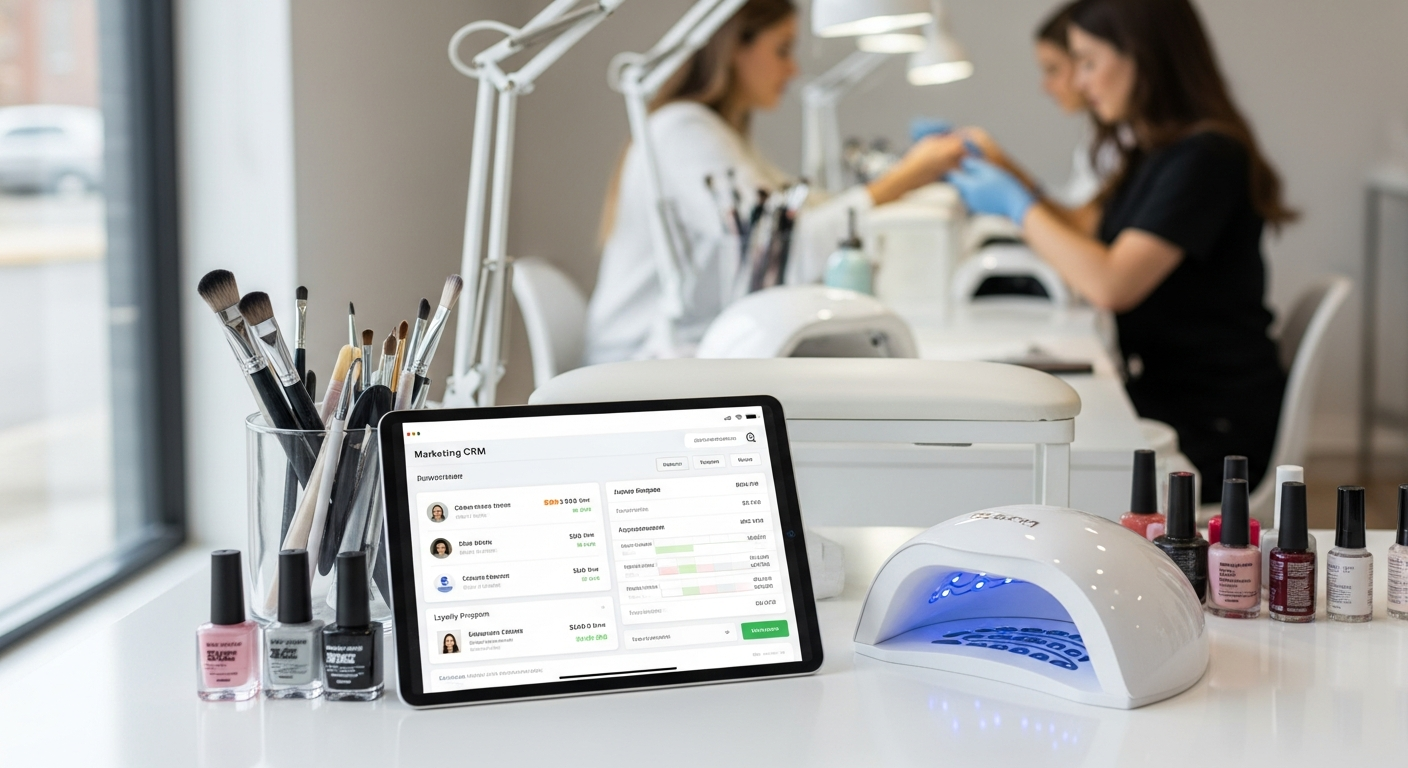
A Customer Relationship Management (CRM) system acts as the centralized database for your salon. It tracks client preferences, technical service notes, and contact details for every individual who walks through your doors.
Structured data collection allows salon owners to move away from guesswork. Knowing exactly when a client last visited helps in timing your next outreach and understanding the average lifecycle of your customers.
To be effective, the system must capture the client’s name, mobile number, and email address at the point of booking. This data forms the foundation of all future retention efforts and marketing workflows.
Establishing Follow-Up Logic for Retention
Effective retention systems rely on timed communication sequences designed to keep the salon top-of-mind. A standard workflow includes a thank-you message sent shortly after a service and a rebooking reminder if a client hasn’t returned within three weeks.
This logic ensures that no client falls through the cracks. By establishing a set schedule for these messages, the salon maintains a professional and consistent presence without requiring manual intervention for every single appointment.
Successful salons use specific triggers based on client behavior. For example, a “win-back” sequence can be triggered automatically if a regular client has not visited for over forty-five days.
SMS and Email Communication Protocols
SMS systems are most effective for time-sensitive alerts, such as appointment confirmations or last-minute openings. Because of their high open rates, text messages should be kept brief and highly relevant to the recipient.
Email communication is better suited for longer-form content. This includes monthly newsletters, seasonal nail trend reports, or detailed explanations of new service protocols and salon policies.
Consistency is the primary goal of these communication channels. A predictable schedule builds trust and reinforces the professional reliability of your salon brand with your existing clientele.
Designing Sustainable Loyalty Program Fundamentals
Loyalty systems must be simple for clients to understand and easy for staff to track. Successful models often use a points-per-dollar spent approach or a visit-count system to reward frequent bookings.
- Point Systems: Clients earn points for every service or retail purchase, which can be redeemed for specific upgrades.
- Frequency Models: Rewards are granted after a set number of visits, encouraging a routine booking habit.
- Tiered Rewards: Higher levels of perks are unlocked for long-term clients who spend above a certain annual threshold.
The focus of a loyalty program should remain on long-term value rather than deep discounting. Rewarding a milestone visit with a complimentary add-on service protects your profit margins while delighting the customer.
Marketing Workflow Organization for Salon Staff
Systems only function properly when the salon staff follows a standard operating procedure. Front desk teams must be trained on how to input data accurately during the check-in and check-out process.
A well-organized workflow includes daily checks to ensure new client profiles are complete. Missing phone numbers or email addresses represent gaps in the system that prevent the marketing logic from working.
Regular audits of the client database ensure the information remains clean and actionable. Organized systems reduce administrative stress, allowing the team to focus on providing high-quality technical services.