Building Effective Nail Salon Marketing Systems
Nail salon marketing systems are structured frameworks used to manage customer data and automate communication to drive repeat business. These systems organize client information, track visit frequency, and execute scheduled follow-up sequences through SMS or email to maintain salon engagement and maximize the lifetime value of every salon guest.
Core Elements of Salon CRM Systems
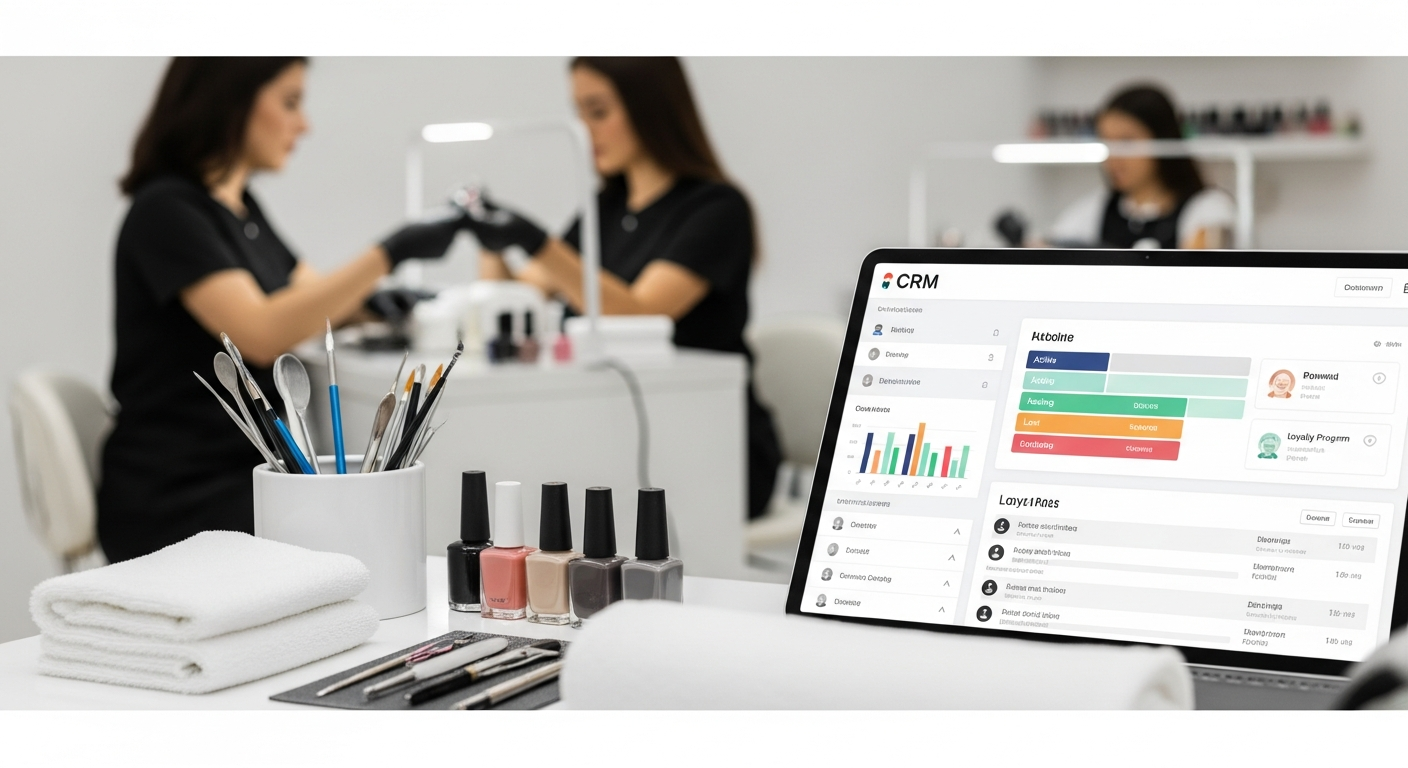
A Customer Relationship Management (CRM) system acts as the central hub for all client interactions.
It captures essential data points such as service history, technician preferences, and contact details.
This data allows owners to personalize marketing efforts based on actual client behavior.
Organizing Client Data for Precision
Effective systems categorize clients based on their visit frequency and spending habits.
Separating first-time guests from regular members ensures that communication remains relevant.
Clean data management prevents sending redundant messages and maintains professional standards.
Segmenting Customers by Service Frequency
Logic-driven systems identify when a client is overdue for their next fill or manicure.
By segmenting lists into active, fading, and lost categories, salons can target specific groups.
This targeted approach increases the efficiency of retention campaigns without overspending.
Retention Workflows and Follow-Up Logic
Marketing workflows ensure that no client is forgotten after they leave the salon chair.
These sequences rely on timing and relevance rather than aggressive sales tactics.
A standardized workflow creates a predictable experience for every customer who visits.
Post-Service Engagement Protocols
The first follow-up should occur within 48 hours of a completed service.
This message confirms satisfaction and reinforces the salon’s commitment to quality.
A simple “thank you” builds rapport and encourages immediate feedback from the client.
Re-engagement Cycles for Inactive Clients
Systems should automatically flag clients who have not returned within 21 to 30 days.
A gentle reminder via SMS or email can prompt a booking before the client switches providers.
Setting these triggers ensures that the salon remains top-of-mind during the decision-making window.
Loyalty Program Fundamentals for Nail Salons
Loyalty systems provide a structural incentive for clients to choose your salon repeatedly.
The program must be easy to understand and require no manual tracking by the customer.
Simplicity is the key to high participation rates and long-term effectiveness.
Establishing Point-Based Reward Systems
Point-based systems track spending automatically within the salon’s digital records.
Clients earn rewards for every dollar spent on services or professional retail products.
This system encourages higher ticket averages while rewarding the salon’s most frequent visitors.
Tiered Incentives for VIP Retention
Implementing tiers rewards high-value clients with exclusive status or early access to bookings.
Tiered logic creates an aspirational element that discourages clients from visiting competitors.
It focuses retention efforts on the 20% of clients who generate the most revenue.
Operationalizing Marketing Workflows
Marketing systems only work when they are integrated into daily salon operations.
Staff must be trained to collect accurate contact information at every check-in.
Consistency in data entry is the foundation of any successful automated marketing system.
- Data Collection: Ensure every new profile includes a mobile number and email.
- Workflow Review: Audit automated messages monthly to ensure accuracy.
- Staff Training: Teach technicians how to mention loyalty points during service.
- Performance Tracking: Monitor re-booking rates to measure system success.
By implementing these systems, nail salons move away from reactive marketing strategies.
Structured workflows create a reliable stream of repeat appointments and stable revenue.
Systematization allows owners to focus on service quality while the marketing runs in the background.