Building Robust Nail Salon Marketing Systems
Nail salon marketing systems are structured frameworks used to manage client relationships, automate follow-up communications, and track loyalty metrics. These operational workflows ensure consistent engagement through SMS and email logic, allowing owners to systematically convert one-time visitors into long-term repeat clients while maintaining organized salon data for sustainable business growth.
Core Foundations of Salon CRM Systems
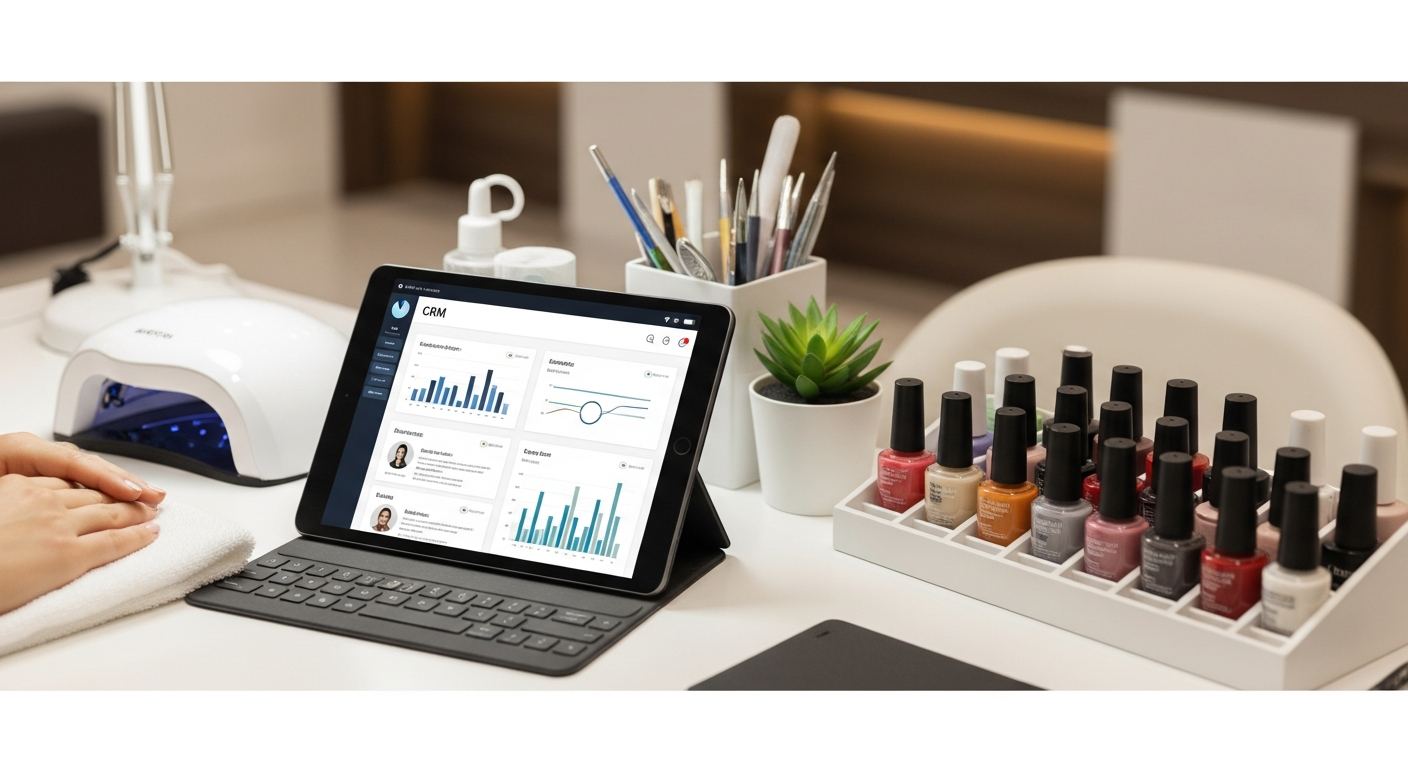
A Customer Relationship Management (CRM) system serves as the central database for every client interaction. It must capture essential data points beyond basic contact information to be effective.
Systematic data collection should include service preferences, technician history, and visit frequency. This allows the salon to categorize clients based on their spending habits and favorite treatments.
By organizing this data, owners can identify “at-risk” clients who haven’t visited in six weeks. A structured system triggers a specific response before the client switches to a competitor.
Follow-Up Logic for Client Retention
Effective nail salon marketing systems rely on timed communication sequences rather than manual outreach. This ensures no client is overlooked during busy operational shifts.
The Post-Service Sequence
The first stage of the workflow is the 24-hour follow-up. This message should confirm satisfaction and provide a direct channel for immediate feedback regarding the service quality.
Re-engagement Workflows
If a client does not rebook within the standard three-week window, the system should trigger a reminder. This logic follows the natural growth cycle of nail enhancements and gel manicures.
A second “win-back” message is typically deployed at the 45-day mark. This communication focuses on the value of regular maintenance to protect the health of the natural nail.
Structuring Professional Loyalty Programs
Loyalty systems must be easy for staff to manage and simple for clients to understand. Complexity often leads to low adoption rates and operational friction at the front desk.
Tiered systems often perform better than flat discount models. By rewarding total lifetime spend, the salon encourages clients to explore higher-priced services like nail art or spa pedicures.
Points-based logic is preferred over punch cards because it integrates directly into the CRM. This provides the owner with accurate data on the financial impact of the rewards program.
Marketing Workflow Organization
Operationalizing these systems requires a clear schedule of administrative tasks. Marketing should be treated as a recurring operational procedure rather than an occasional event.
- Daily: Review and update client contact records and preferences.
- Weekly: Analyze retention reports to identify gaps in the rebooking rate.
- Monthly: Audit the loyalty program to ensure redemption rates align with profit goals.
By treating marketing as a series of repeatable systems, nail salon owners reduce their administrative burden. This structure ensures the business maintains a steady flow of predictable revenue.