Nail Salon Marketing Systems for Customer Retention
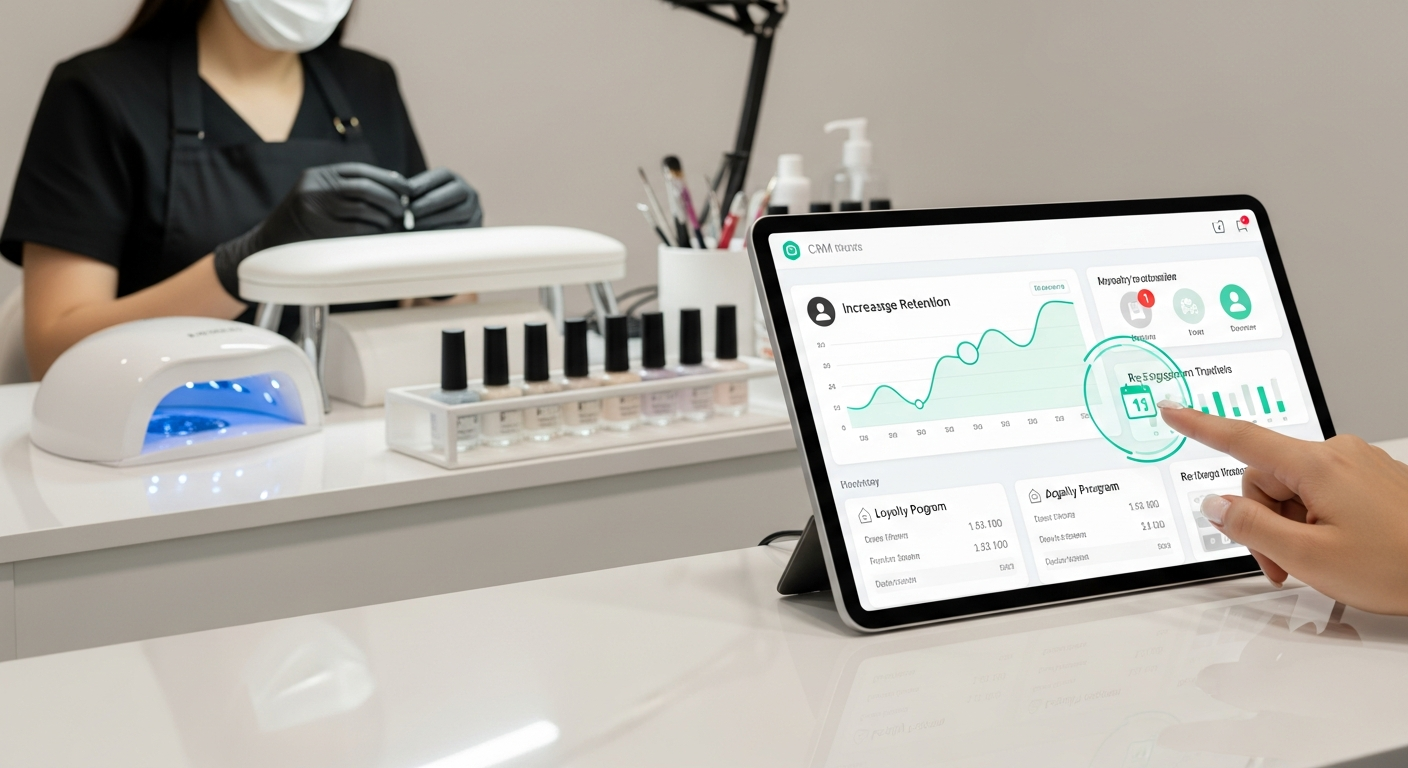
Nail salon marketing systems are structured operational frameworks used to track client data, manage follow-up communication, and incentivize repeat visits. These systems rely on organized CRM workflows and logic-based triggers to ensure consistent engagement, allowing salon owners to stabilize revenue through predictable customer retention and loyalty program management without manual oversight.
The Role of CRM in Salon Systems
A Customer Relationship Management (CRM) system serves as the central hub for all salon data. It organizes client contact information, service preferences, and purchase history into a searchable database.
Effective systems segment clients based on their behavior, such as visit frequency or average spend. This segmentation allows for targeted communication that feels personal rather than generic.
Maintaining a clean database is the foundation of any marketing workflow. Accurate data collection at the front desk ensures that follow-up systems function correctly and reach the intended recipient.
Follow-Up Logic for SMS and Email
The Immediate Post-Service Sequence
A primary retention system triggers a message 24 to 48 hours after an appointment. This logic confirms satisfaction and encourages the client to report any issues with their manicure or pedicure.
This system reduces negative public reviews by resolving concerns privately. It also reinforces the professional standard of the salon immediately after the client leaves.
Re-engagement Triggers for Lapsed Clients
Retention systems must include “win-back” logic for clients who have not visited within a specific timeframe. For most nail salons, this trigger occurs at the four or six-week mark.
The system automatically identifies these lapsed clients and sends a re-engagement prompt. This creates a safety net that prevents regular customers from drifting away to competitors.
Loyalty Program Fundamentals
A structured loyalty system incentivizes repeat visits by rewarding consistent behavior. Most successful systems use either point-based or visit-based tracking methods.
Points-based systems allow clients to accumulate value based on total spend, which can be redeemed for add-on services. This encourages clients to try higher-margin treatments like nail art or paraffin waxes.
Visit-based systems are simpler, offering a reward after a set number of appointments. Both methods must be integrated into the CRM to ensure rewards are tracked accurately and automatically.
Organizing Marketing Workflows
Marketing workflows define the step-by-step actions staff must take during the client journey. This includes the process for collecting email addresses and phone numbers during check-in.
Workflows also dictate how staff should handle birthday rewards or anniversary milestones. Standardizing these procedures ensures every client receives the same level of attention regardless of who is working.
Regularly auditing these workflows prevents system breakdowns. Salon owners should review retention reports monthly to ensure the automated logic is producing the desired increase in repeat bookings.
Structuring the Marketing Calendar
A systematic approach to marketing requires a consistent calendar of communication. This prevents “feast or famine” cycles by maintaining a steady presence in the client’s inbox or messaging app.
Systems should be scheduled to announce seasonal transitions or new service launches. By planning these workflows in advance, the salon maintains a professional image without last-minute execution.
Consistency is the primary goal of any marketing system. When workflows are documented and automated, the salon owner can focus on service quality while the system handles retention.