Nail Salon Advertising: A Guide to Facebook and Google Ads
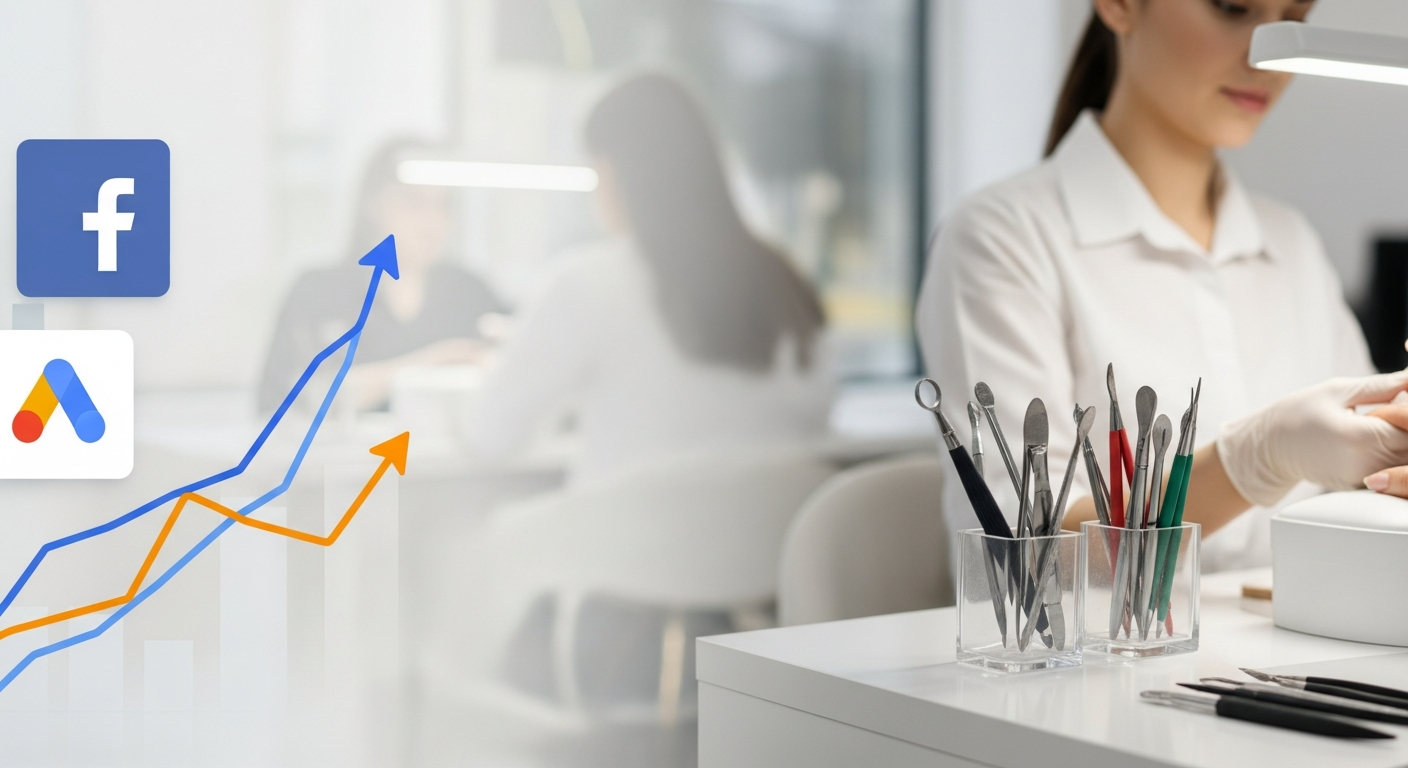
Nail salon advertising refers to paid digital marketing strategies, primarily Facebook and Google Ads, used to attract new clients to a salon. By targeting local demographics and search intent, owners can generate measurable leads, manage specific daily budgets, and track the cost of acquiring each new customer to ensure salon profitability.
Choosing Between Facebook Ads and Google Ads
Facebook Ads work best for visual discovery and reaching local women who aren’t actively searching for a salon. You can showcase high-quality photos of manicures and pedicures to build interest within a five-mile radius of your shop.
Google Ads target “high-intent” customers who are actively typing phrases like “nail salon near me” into search engines. These users are ready to book an appointment immediately, making these ads highly effective for filling empty chairs quickly.
A balanced strategy often uses Facebook for brand awareness and Google for capturing immediate booking demand. Both platforms require a business profile and a basic understanding of local geographic targeting to avoid wasting money on distant users.
Setting Realistic Advertising Budgets
Nail salon owners should expect to spend between $10 and $30 per day when starting with paid advertising. This range allows the platforms to gather enough data to determine which ads are performing best with your local audience.
Budgets that are too low may result in your ads never being shown, while excessively high budgets can lead to overspending before you have optimized your creative. It is safer to start small and increase spending only after seeing consistent results.
Advertising is an ongoing expense rather than a one-time fix for a slow week. Consistency over several months is necessary to build a steady flow of new clients and see a return on your investment.
Understanding Customer Acquisition Cost (CAC)
Customer Acquisition Cost is the total amount of ad spend required to get one new client through your door. For example, if you spend $100 and get 5 new customers, your CAC is $20 per person.
In the nail industry, the first visit might not always cover the cost of the ad. Profitability usually comes from the “lifetime value” of the client, meaning they return for refills or new sets every two to three weeks.
Tracking these numbers helps you decide if your advertising is sustainable. If your CAC is higher than the profit from a repeat client, you may need to adjust your ad images or offer.
Lead Generation Basics for Salons
Lead generation involves collecting a potential client’s contact information, such as a phone number or email, in exchange for a promotion. This allows you to follow up with people who expressed interest but didn’t book yet.
A simple lead gen ad might offer a “New Client Special” or a small discount on a full set. Once the user submits their info, your front desk should call or text them within 24 hours to schedule the visit.
Without a fast follow-up process, most leads will go cold and your ad spend will be wasted. Advertising only brings people to your “digital front door”; your staff must close the deal.
Risks and Expectations
Paid advertising is not a guarantee of success and involves financial risk. Factors like your salon’s local reputation, your pricing, and even the weather can impact how well your ads perform during a specific month.
Technical issues, such as a broken booking link or a slow-loading website, can cause ads to fail. Always test your booking process on a mobile phone before launching any paid campaigns to ensure a smooth experience.
Expect a learning phase of at least 30 days where the ad platforms “test” your content. Results are rarely instant, and it takes time to refine your targeting and messaging to match your local market’s needs.