Nail Salon Marketing Systems for Client Retention
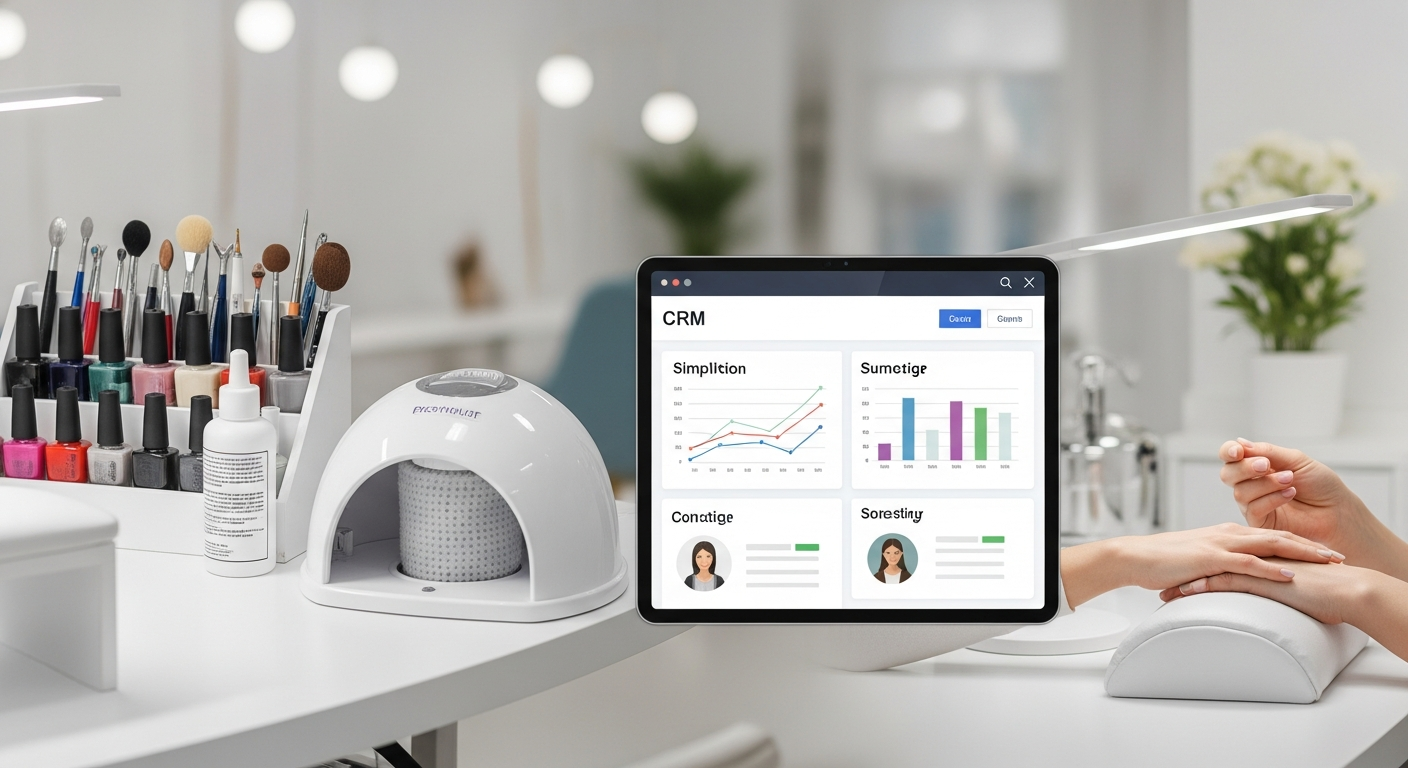
Nail salon marketing systems are structured operational frameworks designed to manage client relationships, automate follow-up communication, and track visit frequency. These systems use Customer Relationship Management (CRM) principles to organize client data, allowing salon owners to implement consistent SMS and email workflows that encourage repeat bookings and maintain long-term business stability.
The Core Components of a Nail Salon CRM System
A robust CRM system acts as the digital filing cabinet for your nail salon. It stores more than just phone numbers; it tracks visit dates, service preferences, and technician choices.
Organizing this data allows for personalized service delivery and more accurate marketing decisions. Without a centralized system, client information remains scattered and underutilized.
Centralizing Client Profiles and History
Every client should have a unique profile containing their full service history. This allows staff to see exactly what color or treatment was used during the last appointment.
Consistent data entry ensures that the salon can maintain a high standard of service regardless of which technician is performing the work.
Segmenting Data for Targeted Communication
Data segmentation divides your client list based on specific behaviors. For example, you can identify high-frequency gel polish users versus occasional pedicure clients.
This categorization ensures that your marketing messages remain relevant to each individual’s spending habits. Relevance is the key to preventing client opt-outs.
SMS and Email Follow-Up Logic Workflows
Timing is the most critical element of a follow-up system. A structured workflow ensures that messages are sent when they are most likely to influence a booking decision.
Effective logic follows the natural lifecycle of a manicure or pedicure. This prevents the salon from appearing intrusive while staying top-of-mind for the client.
The 48-Hour Satisfaction Check-In
A standard follow-up workflow begins with a message sent 48 hours after a service. This system confirms the client is happy with their nails and the salon experience.
Addressing potential issues early prevents negative reviews and builds trust. It shows that the salon values quality and client satisfaction over a single transaction.
Re-engagement Prompts for Lapsed Clients
Lapsed client logic triggers a message when a regular customer has not booked within their usual timeframe. If a client typically visits every three weeks, the system flags them at week four.
These prompts should offer a gentle reminder of the salon’s services. This systematic approach recovers lost revenue without requiring manual monitoring of the client list.
Structuring a Sustainable Loyalty Program
A loyalty system should reward frequency rather than just total spend. The goal is to create a habit of returning to your specific salon for every nail care need.
Simple, transparent rules make it easy for clients to participate. Complexity often leads to disinterest and lower participation rates in retention programs.
Value-Based Retention Frameworks
Successful programs often use a points-per-visit or points-per-dollar spent model. These points can then be redeemed for add-on services like paraffin wax or nail art.
By rewarding clients with services rather than cash discounts, the salon protects its profit margins. It also introduces clients to new services they might pay for later.
Tracking Earned Rewards Automatically
The loyalty program must be integrated into the daily checkout workflow. Manual punch cards are easily lost and provide no data to the salon owner.
A digital tracking system allows the salon to see which rewards are most popular. This data helps in refining the program to maximize its impact on client retention.
Organizing Daily Marketing Workflows
A marketing system is only as good as the data entered into it. Staff must be trained to collect email addresses and phone numbers during every check-in process.
Standardized operating procedures (SOPs) should dictate how and when client data is updated. Consistency at the front desk is the foundation of all backend marketing efforts.
Maintaining Data Accuracy
Regularly auditing your CRM data prevents the system from becoming cluttered with duplicate entries or incorrect numbers. High data quality leads to better delivery rates for SMS and email.
Clean data also allows for more accurate reporting on retention rates. Knowing your “churn rate” helps you identify if your marketing systems are actually performing as intended.