Mastering Nail Salon Marketing Systems for Repeat Clients
Nail salon marketing systems are structured operational frameworks designed to track client data, manage communication, and organize retention workflows. These systems use CRM logic to track appointment history and contact preferences, enabling salons to trigger consistent follow-ups and loyalty rewards that increase client lifetime value and stabilize monthly recurring revenue.
The Foundation of a Professional CRM System
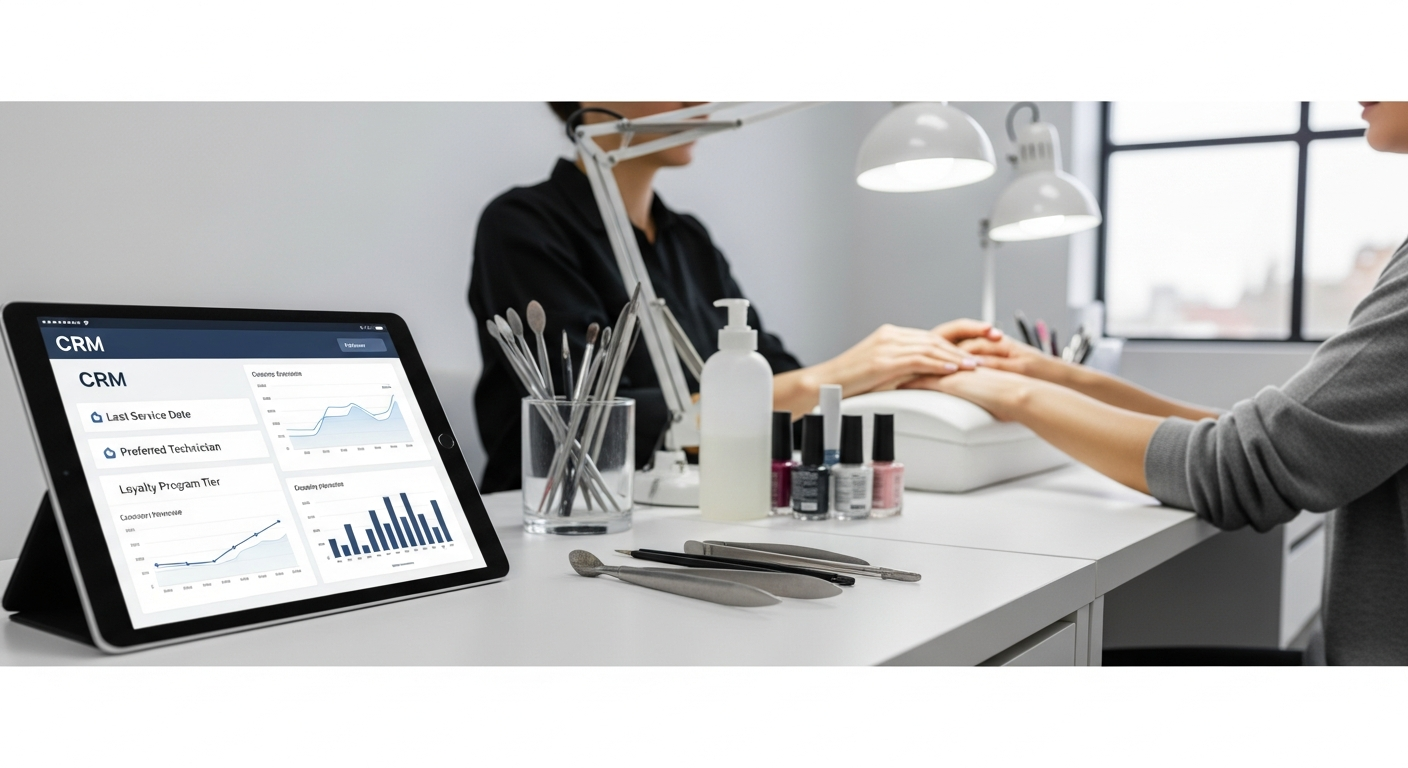
A Customer Relationship Management (CRM) system is the central nervous system of a modern nail salon. It replaces manual ledger books with a digital database that tracks every interaction a client has with your business.
Capturing Strategic Client Data Points
Effective systems begin with thorough data collection at the point of check-in. Salons must capture more than just a name and phone number to build a functional marketing workflow.
Key data points include the date of the last service, preferred technician, and specific service categories such as gel manicures or acrylic sets. This data allows for personalized communication that feels relevant to the client.
Segmenting the Customer Base
Segmentation is the process of dividing your client list into specific groups based on their behavior. A structured system categorizes clients into groups like new visitors, weekly regulars, and lapsed customers.
By segmenting the list, salon owners can send targeted messages that address the specific needs of each group. This prevents the common mistake of sending generic blasts that lead to high unsubscribe rates.
Retention-Based Marketing Workflow Logic
Marketing workflows are pre-planned sequences of actions that occur based on client behavior. These systems ensure that no client is forgotten after they leave the salon chair.
Post-Service Follow-Up Protocols
The most critical workflow is the post-service follow-up. This system triggers a message 24 to 48 hours after an appointment to confirm the client is satisfied with their nail service.
This simple touchpoint identifies potential issues before they become negative reviews. It also reinforces the professional standard of the salon and builds immediate trust with first-time visitors.
Re-Engagement Timing for Lapsed Clients
Lapsed client workflows target individuals who have not returned within their typical service window. For most nail salons, this window is between three and five weeks.
The system should automatically identify these gaps and trigger a “we miss you” message. Providing a structured reason to return helps recover revenue that would otherwise be lost to competitors.
Structuring a Sustainable Loyalty Program
A loyalty program is a formal system designed to reward frequent visits and increase the average number of appointments per year. It must be easy for both staff and clients to understand.
Frequency-Based Incentives
Frequency systems reward clients based on the number of visits rather than the total amount spent. This encourages the habit of regular maintenance, such as bi-weekly fills or monthly pedicures.
By focusing on visit frequency, salons can maintain a full book of appointments during slower weekdays. This provides predictable income for technicians and stabilizes the salon’s operational overhead.
Tiered Reward Systems
Tiered systems offer increasing benefits as a client moves from “regular” to “VIP” status. This creates a sense of exclusivity and discourages clients from switching to another salon for a lower price.
Rewards should be structured to encourage higher-value services. For example, a loyal manicure client might receive a complimentary add-on service, such as a paraffin treatment or nail art.
Integrating SMS and Email Communication Channels
A balanced marketing system uses both SMS and email to maintain contact without being intrusive. Each channel serves a specific purpose within the salon’s retention strategy.
SMS is best utilized for time-sensitive reminders and short follow-ups due to its high open rates. Email is better suited for long-form content, such as newsletters, care instructions, or seasonal service announcements.
Consistency is the primary goal of these communication systems. When messages are sent on a predictable schedule, the salon remains top-of-mind for the client’s next beauty appointment.