Essential Nail Salon Marketing Systems for Customer Retention
Nail salon marketing systems are structured frameworks used to capture client data, track visit frequency, and organize communication workflows to drive repeat business. These systems establish logical protocols for categorizing customers, enabling targeted loyalty rewards and consistent outreach through SMS or email follow-ups to maximize long-term salon profitability and retention.
The Role of CRM in Salon Management
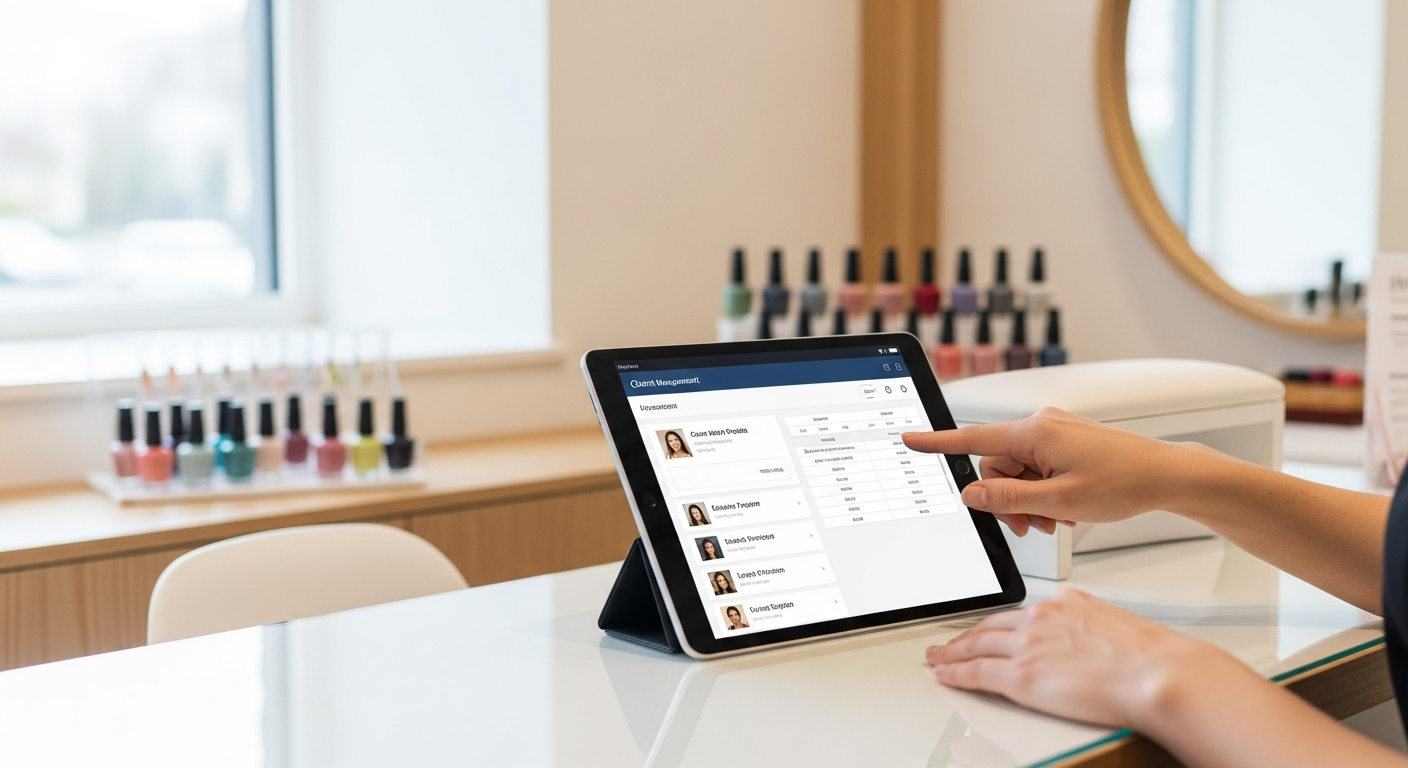
A Customer Relationship Management (CRM) system serves as the central repository for all client interactions.
It moves beyond a simple contact list by documenting service history, technician preferences, and skin or nail sensitivities.
Having this data organized allows owners to make informed decisions based on actual client behavior.
Core Components of a Salon CRM
- Client Profiles: Detailed records containing contact information and marketing opt-in status.
- Visit Frequency Tracking: Data points that identify how often a client returns for services.
- Service Categorization: Sorting clients by their preferred treatments, such as gel manicures or acrylic sets.
- Revenue Attribution: Linking specific marketing efforts directly to completed appointments.
SMS and Email Follow-Up Logic
Communication systems are most effective when they are based on specific triggers and timing.
Instead of sending generic blasts, structured systems use the date of the last service to determine outreach.
This ensures that the salon remains top-of-mind exactly when the client is due for a fill or a fresh set.
Standard Workflow Intervals
The 48-Hour Thank You: A message sent shortly after a visit to confirm satisfaction and encourage a review.
The 14-Day Rebooking Reminder: Outreach targeting clients who did not book their next appointment during checkout.
The 30-Day Win-Back: A specific protocol for clients who have exceeded their typical visit interval.
Structuring Effective Loyalty Programs
Loyalty systems provide a clear incentive for clients to choose one salon over a competitor.
The most successful systems are transparent, easy to track, and offer rewards that encourage higher spending.
A well-organized program integrates directly with the CRM to track progress without manual errors.
Points-Based vs. Visit-Based Models
A visit-based system rewards the frequency of appointments, such as a discount after every five manicures.
Points-based systems reward total spend, encouraging clients to purchase add-ons or retail products.
Both models aim to increase the lifetime value of a customer through consistent, predictable rewards.
Operational Marketing Workflow Organization
Systematizing marketing requires a calendar of tasks that ensures the salon stays consistent.
Daily tasks involve updating client records and responding to immediate feedback or inquiries.
Weekly tasks focus on reviewing the upcoming schedule to fill gaps using targeted outreach to the existing database.
Monthly System Maintenance
Monthly workflows involve analyzing retention reports to see which clients have stopped returning.
Owners should evaluate the performance of loyalty redemptions to ensure the program remains profitable.
Organizing these tasks into a repeatable checklist prevents marketing efforts from becoming reactive or inconsistent.
The Impact of Systematized Retention
Implementing nail salon marketing systems reduces the cost of customer acquisition by focusing on existing guests.
Structured workflows ensure that no client “falls through the cracks” due to a busy salon environment.
Predictable systems create a professional experience that builds trust and encourages long-term client loyalty.